Original video by @EthanChlebowski — all credit to the creator.
Lo Mein Framework: Three Ways (Classic Shrimp, Spicy Beef, High-Protein Chicken)
A build-your-own lo mein system that turns fridge odds and ends into glossy, deeply seasoned noodles with crisp vegetables and tender protein. Three sauce and aromatic variations show how to swing the dish sweet and classic, dark and spicy, or light and ginger-forward.
Ingredients
Noodles
- —Fresh, par-cooked, or dried wheat lo mein noodles · Fresh lo mein noodles for the classic version, thicker broad noodles for the spicy beef, thinner noodles for the chicken; spaghetti, ramen, or any stir-fry noodle also works
Classic takeout-style sauce (shrimp version)
- 50 gOyster sauce
- 20 gLight soy sauce
- 5 gDark soy sauce
- —Chicken bouillon powder · A spoonful
- 10 gSugar
- —White pepper
- —Water · A splash, to thin the sauce
- —Cornstarch slurry · Optional thickener so the sauce clings to the noodles
Spicy beef sauce
- 50 gOyster sauce
- 10 gLight soy sauce
- 10 gDark soy sauce
- 5 gBeef bouillon
- —Water · To thin as needed; no added sugar in this version
Chicken lo mein sauce
- 25 gLight soy sauce
- 15 gOyster sauce
- 10 gSugar
- 5 gChicken bouillon
- —Water · To thin the sauce
Aromatics
- —Garlic · Lots of it for the classic shrimp version
- —Shallot · Diced, for the spicy beef version
- —Thai bird's eye chilies · For the spicy beef version
- —Ginger · With garlic, for the chicken version
- —Neutral cooking oil · For blooming the aromatics
Shrimp and marinade
- —Frozen peeled and deveined shrimp
- —Salt · A sprinkle
- —Sesame oil · A tiny drizzle
Beef and marinade
- —Sirloin · Sliced into strips; any cut of beef works
- —Light soy sauce · A splash
- —Sugar · A little
- —Baking soda · A pinch, to tenderize
- —Chili crisp · A spoonful, for heat and fat
- —Cornstarch · To help it brown and stay juicy
Chicken and marinade
- —Chicken · Sliced
- —Light soy sauce · A splash
- —Chicken bouillon powder · A little
- —Sesame oil
- —Chinese cooking wine · A bit
Vegetables (choose per version)
- —Carrots · Sliced long and thin to match the noodles
- —Red onion
- —Cabbage
- —Bean sprouts · Stirred in at the end
- —Green onions · Stirred in at the end
- —Bell peppers
- —Mushrooms · Used in the spicy beef version
- —Chinese broccoli · Used in the chicken version
- —Yellow squash · Used in the chicken version
- —Chinese cooking wine · A splash, for cooking the hearty vegetables
- —Salt or soy sauce · For seasoning the vegetables
Steps
- 1
Choose your noodles: fresh noodles need a few minutes in boiling water, par-cooked noodles are quick to work with, and dried noodles must be fully boiled before use.
- 2
Cook the noodles to the lower end of the package time range so they stay springy, since they will cook a little more once tossed with the sauce.
- 3
Mix your sauce: whisk together the salty and umami ingredients (oyster sauce, light and dark soy sauce, bouillon), the sweetener, and the aroma and finishing ingredients, thinning with water. Add a cornstarch slurry if you want it thicker so it clings to the noodles.
- 4
Marinate the protein. For shrimp, toss with a sprinkle of salt and a tiny drizzle of sesame oil. For beef, mix sliced strips with light soy sauce, sugar, a pinch of baking soda, a spoonful of chili crisp, and cornstarch until evenly coated. For chicken, mix with light soy sauce, chicken bouillon powder, sesame oil, and Chinese cooking wine.
- 5
Slice the vegetables long and thin so they roughly match the shape of the noodles.
- 6
Heat a wok over high heat and cook the protein separately until browned and just cooked through, then set aside.
- 7
Dice or mince the aromatics, add them to the hot oil to bloom, then pour the sauce over the top.
- 8
Cook the hearty vegetables in the wok with a little salt or soy sauce and a splash of Chinese cooking wine.
- 9
Return the protein to the wok, add the cooked noodles, and toss everything with the sauce until glossy and evenly coated rather than stir-frying until crisp.
- 10
Stir in the fresh vegetables like bean sprouts and scallions at the end, then taste and serve.
Creator's notes
Lo mein means "tossed noodles" while chow mein means "stir-fried noodles" — for lo mein you toss the noodles with sauce rather than browning them in the pan. Think of the sauce in roles: salty and umami (oyster sauce, light and dark soy, bouillon), a touch of sweetness to balance the salt, aroma and finishing ingredients (sesame or chili oil, white pepper, broth, Chinese cooking wine), and a thickener. Three profiles shown: a balanced slightly sweet classic, a darker savory version that stands up to beef and chilies, and a lighter chicken-forward sauce with extra vegetables and less noodle for a lower-calorie bowl. Full recipes are on Cook Well: Spicy Beef Lo Mein (cookwell.com/recipe/spicy-beef-lo-mein), Classic Shrimp Lo Mein (cookwell.com/recipe/classic-shrimp-lo-mein), and Higher Protein Chicken Lo Mein (cookwell.com/recipe/higher-protein-chicken-lo-mein).
More from Ethan Chlebowski
All recipes → YouTube
Buffalo Chicken Loaded Baked Potato
A fluffy russet baked potato piled with homemade ground buffalo chicken, a tangy blue cheese sour cream sauce, and fresh scallions. Spicy, creamy, and satiating enough to keep you full for hours.
 YouTube
Ground Beef Bowl with Turmeric Rice, Dill Sauce & Pickled Onions
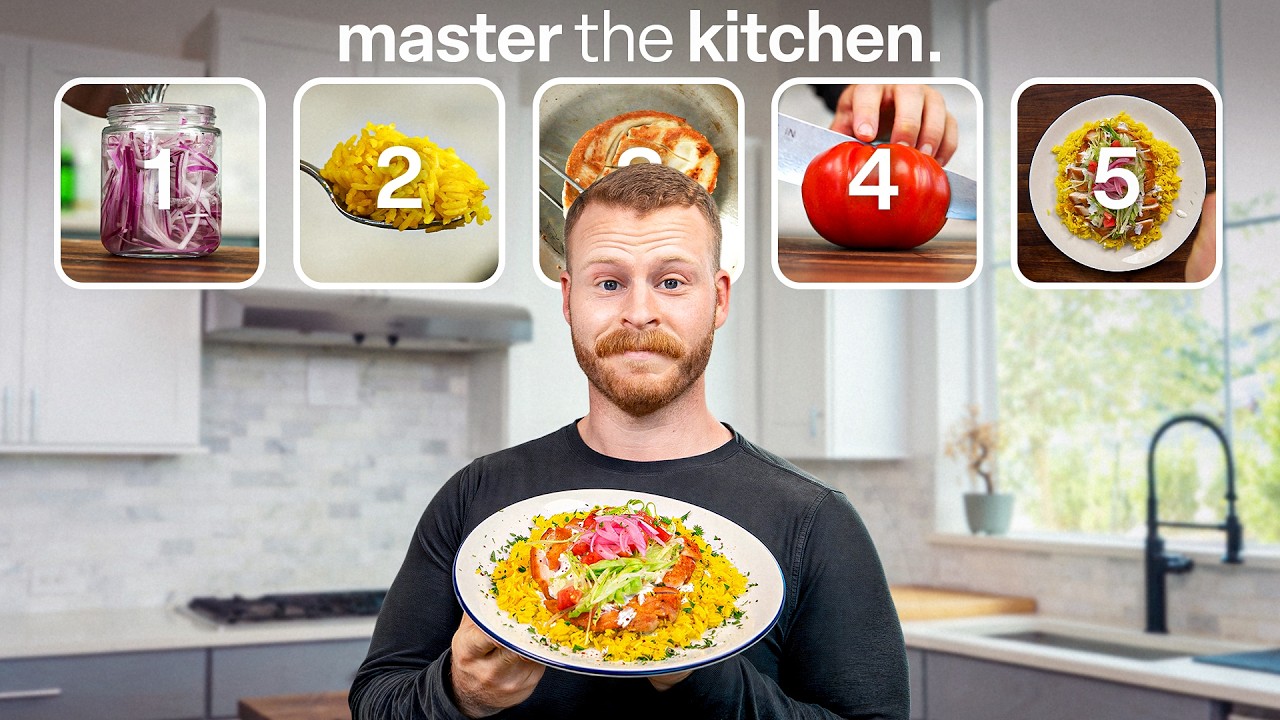
A fast, protein-packed bowl of smashed seasoned ground beef over golden bouillon-turmeric rice, finished with a creamy dill sauce, quick pickled red onions, and crunchy cilantro stems. Comes together in about half an hour and makes enough sauce and pickles to carry into other meals all week.
 YouTube
Weeknight Chicken and Rice Bowl
A juicy pan-seared chicken breast over fluffy yellow rice, finished with crisp lettuce, tomatoes, pickled onions, and a cool dill sauce. Aleppo pepper and fresh parsley bring heat and freshness to every bite.